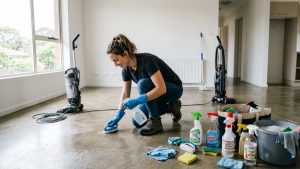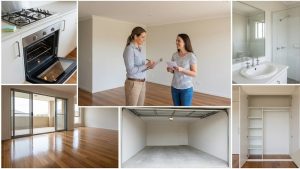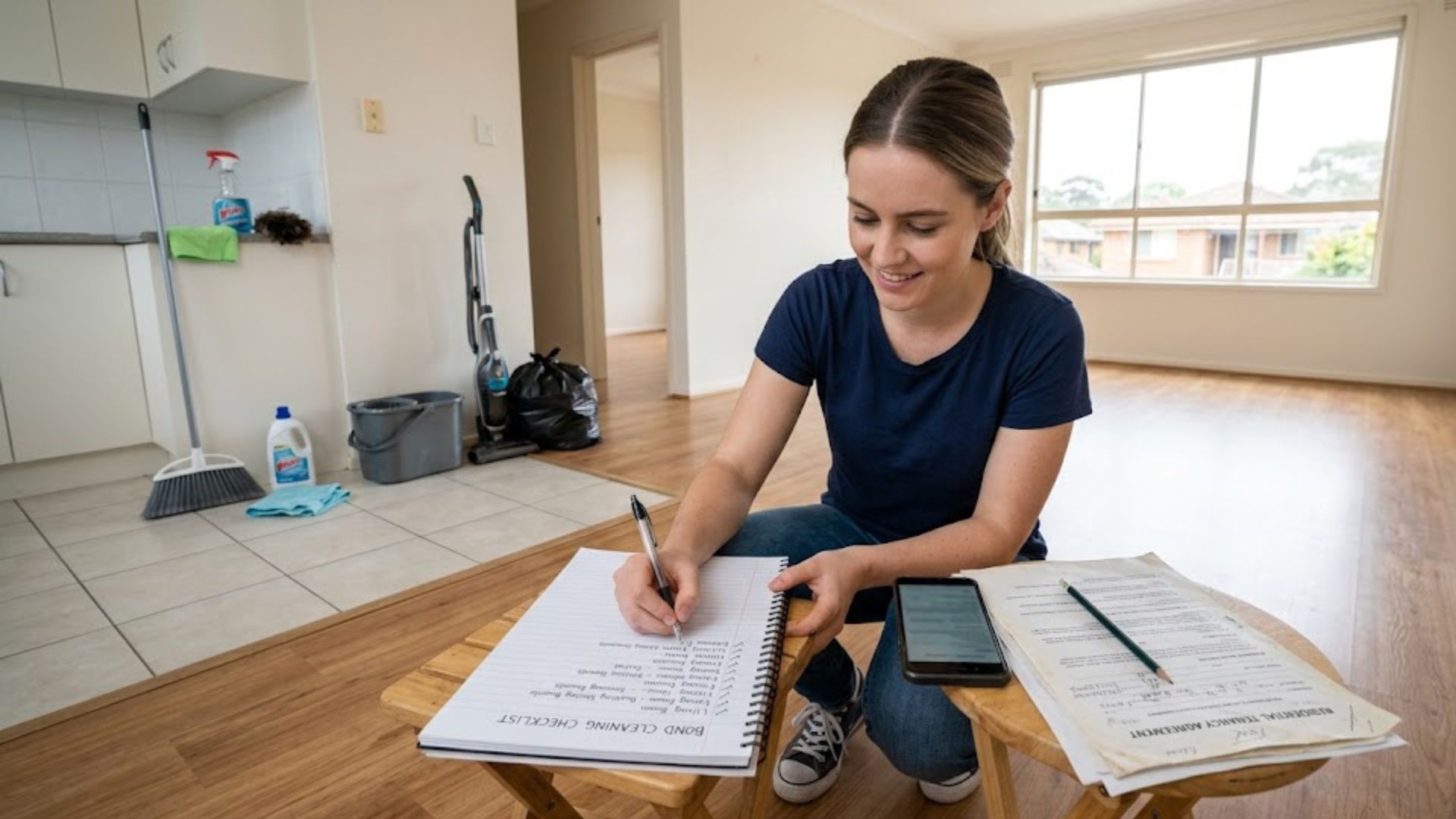
When leaving a rented place, there is a lot to do, and bond cleaning is among the most crucial actions that will determine whether you get all the money from your security deposit. Most tenants end up losing their security deposit partially since they fail to follow the exact cleaning instructions stipulated in their rental contracts. The only way to ensure that you do not lose any of your money in the process its by making a checklist for yourself.
This guide will help you in developing an efficient bond cleaning checklist. When leaving a rented place, there is a lot to do, and bond cleaning is among the most crucial actions that will determine whether you get all the money from your security deposit. Most tenants end up losing their security deposit partially since they fail to follow the exact cleaning instructions stipulated in their rental contracts. The only way to ensure that you do not lose any of your money in the process is by making a checklist for yourself.
Key Statistics on the Demand for Bond Cleaning
According to Trendvault Research, it is estimated that the market value of the tenancy cleaning industry will reach an amount of $5.2 billion by 2025, with a compound annual growth rate of 5.8% up to 2033, due to the increasing number of rental apartments.
Report by news.com.au, the estimates indicate that between 70 to 80 percent of bond cleans will have to be done again due to their stringent requirements; therefore, it is crucial to use a checklist while cleaning.
Step-By-Step Guide on Creating a Bond Checklist

It is important for you to have a to do list while you are getting prepared for a bond cleaning. Here’s a guide on how to create a bond cleaning checklist –
Start by Reviewing Your Lease Agreement
If the matter of being prepared for bond cleaning is considered, one should remember that it is essential to give preference to reading their lease agreement carefully. The thing is that the standard lease agreement does include information related to end-of-lease cleaning activities.
It is necessary to read this document attentively to get informed about the expectations that it holds concerning your end-of-lease cleaning obligations. Namely, the cleaning may include professional carpet cleaning, pest control, and other important activities. Furthermore, one may find a provision saying that receipts must be provided as evidence that the cleaning has been professional.
If one is unsure about something, it would be better to clarify everything with the landlord.
Separate Mandatory and Recommended Tasks
After identifying what the cleaning requirements entail, they can then be broken down into two categories; compulsory and non-compulsory cleaning.
Compulsory cleaning activities are those listed under the terms and conditions of the agreement. These are things that you cannot negotiate and will face loss of bond for failing to do them. For instance, if there is an obligation by you to steam clean the carpets as per your lease agreement, you will lose part of your bond.
Non-compulsory activities are those not listed in the agreement but should still be completed during the inspection process. For example, light switch cleaning, skirting board cleaning, or removing small marks from the walls.
Compare with the Entry Condition Report
Once you have come into residence in the rented place, it is likely that you were handed a report about the condition of the place during your initial period of stay there.
Make comparisons between the current status of the property with its former condition before you came in to reside in the place. Make sure to spot any discrepancies involving stains or damages in the place. This can be made easier if you are aware of the difference between wear and tear and negligence.
This should help ensure that you add more items to your to-do list.
Organize Your Checklist by Area
Breaking the list down will facilitate a more effective workflow.
Kitchen:
Focus on cleaning larger equipment and surfaces. Scrub the oven, stove, and range hood because those are areas most likely to get inspected by the tenant. Make sure the insides and outsides of cabinets are scrubbed, the sink and faucets have been cleaned, and the refrigerator is both spotless and empty.
Bathrooms:
The bathroom will have to be cleaned thoroughly. Tile and grout cleaning, soap residue wiping, shower screens cleaning, and toilet and sink and tub sanitization are all necessary. Don’t forget mirrors, fixtures, cleaning mold, or limescale.
Living areas/Bedrooms:
Dust all surfaces, vacuum carpets and rugs, mop any hard surface flooring. Cleaning windows including frames, window tracks, and curtains; make sure there is no dirt buildup anywhere.
Laundry room:
Machines will need to be cleaned and lint traps emptied. Make the washing area immaculate, particularly around sinks and in storage areas.
Outdoor areas:
In case you are providing outdoor space in your rental property, make sure that grass and bushes are properly trimmed, the patio has been swept, rubbish collected. Clean garages and sheds too.
Take Care of Special Needs in Your Rental Agreement
Some leases will come with special requirements that are not necessarily needed for many rental agreements. These may range from pest control, air conditioner filter cleaning, and window washing among others.
Make sure you take care of these chores and keep records of all the documentation including any receipts you may need in case you hire professionals in carrying out the chores.
Do It Yourself or Hire Professionals
There are many chores that you can delegate to professionals. While some of them can be done using regular cleaning products, there are those that require the skills of professionals.
For example, carpet steam cleaning is a requirement under many leases which require you to engage professionals in carrying out this chore.
Think about the costs of hiring professionals compared to what you may lose from your bond if you choose DIY.
Establish a Cleaning Plan
This is quite natural; however, plan so that each job would be performed over several days.
First of all, make sure that all unnecessary things are removed from the house and packed. Afterward, clean every single room of the property thoroughly. Save the final day for polishing and doing a walkthrough of the property.
Such an approach will allow you to have enough time to handle any unexpected issues, for instance, stains and damages.
Perform Final Inspection
To finish cleaning the house before leaving, do one last walkthrough according to your checklist. Make sure that all jobs are performed thoroughly, by checking every room separately.
Don’t forget to check even those hard-to-reach areas, such as around home appliances and in cabinets, and don’t hesitate to ask someone else to assist you in cleaning your house.
Provide Evidence of Your Cleaning Activities
This evidence will serve as your shield in case any complaints arise about the condition of the rented premises. Ensure that you capture pictures or record videos of the premises after the cleaning activities to show that everything is in excellent condition. Retain any documentation showing that you engaged a cleaning company to provide the bond cleaning service. Copy your checklist.
Evidence may come in handy if there are any disputes about the condition of the rented premises or bond repayment.
Conclusion
A good way to make sure everything is done right in order for you to have a smooth move out from your rented premises is to make a bond cleaning checklist based on the rules laid down in your lease agreement. Using this checklist would help you complete your work efficiently so that you will receive your full bond money back. You can also take help from professionals like Best Bond Cleaning.
FAQs
Why must I ensure that my cleaning checklist is aligned with the lease agreement?
There are several reasons why I should align the checklist with the lease agreement, and one of the most important is that it includes all cleaning requirements specified in the document. Therefore, any failure to comply with the requirements may result in bond deduction.
Is it essential for me to hire professional cleaners for bond cleaning?
It depends on the requirements of the lease agreement, as some of them oblige the tenants to hire professional cleaners for cleaning carpets or removing pests. Nevertheless, even if the lease agreement does not specify such requirement, it would be much more beneficial to employ professional cleaners, as they are more likely to guarantee successful inspection.
Which areas need to be inspected regularly?
For starters, there are areas like kitchens, bathrooms, carpets, windows, and skirting boards that you are likely to meet the inspector in most often.
When should I begin cleaning my bond?
From this perspective, it will be prudent for you to commence your cleaning process between one to two weeks prior to the date you have to move out of your residence. In this way, you will not face any problems in doing it.
How do I contest Bond Deductions?
Should you feel that the bond deductions that have been deducted by the landlord are unreasonable, then it is important that you consider your tenancy agreement and photographs.