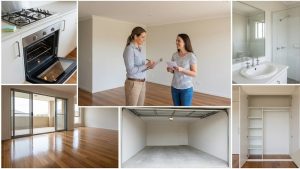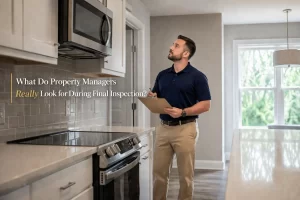
Going through rental inspections during renting is a very common and normal part of the process. But for a lot of tenants can still feel stressful. Whether it is a routine inspection or it is time for your lease renewal, the idea of someone analyzing your living space can cause anxiety. The good news is that passing a rental inspection doesn’t need you to be perfect in your task; it just needs preparation and basic maintenance.
Getting to know what landlords are looking for and taking a strategic approach towards cleanliness can make inspections hassle free. This guide will talk about practical and proven tips to help you pass your rental inspection with confidence and protect your rental history.
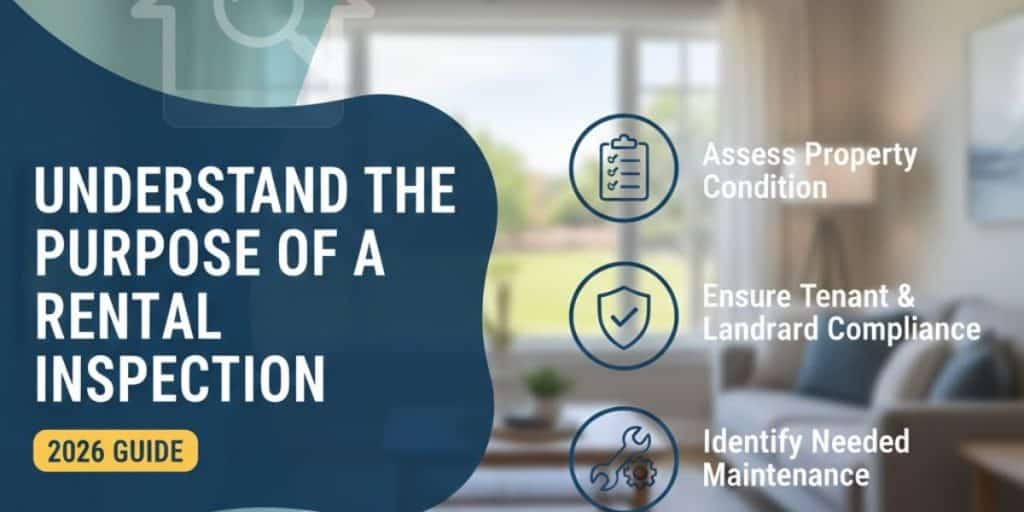
Understand the Purpose of a Rental Inspection
A rental inspection does not judge your way of living or personal habits. Its main purpose is to check the condition of the property and make sure it’s being look after properly. With the help of inspections, landlords can easily verify maintenance issues beforehand and make sure lease conditions are being followed. Moreover this helps to protect the long-term value of the property.
There are various types of inspections that involve routine inspections at the time of your lease along with entry condition reports when you move in and end of lease checking. At the time of routine inspections, landlords are generally verifying cleanliness and unreported maintenance issues along with any damages beyond normal wear and tear.
Landlords are not looking for showroom level cleanliness. They only want to see that the tenants are keeping the property clean and are responsible for the maintenance of the property.
Review Your Lease Agreement Carefully
While you are preparing for an inspection, go through your lease agreement. This agreement helps you identify your particular job responsibilities as a tenant that involves quality of cleanliness and maintenance obligations and any special request.
Focus on specific clauses that are related to pets or garden maintenance or any alteration related to the property. These are the details that are often the foundation of the inspection feedback. For instance, some landlords have put a point in the lease that their lawns should be mowed regularly or nails or hooks should not be used in the walls.
Understand your lease agreement helps you to make sure that you are meeting all the expectations of the landlord. Also, it makes sure that you avoid any kind of surprise during or after the inspection.
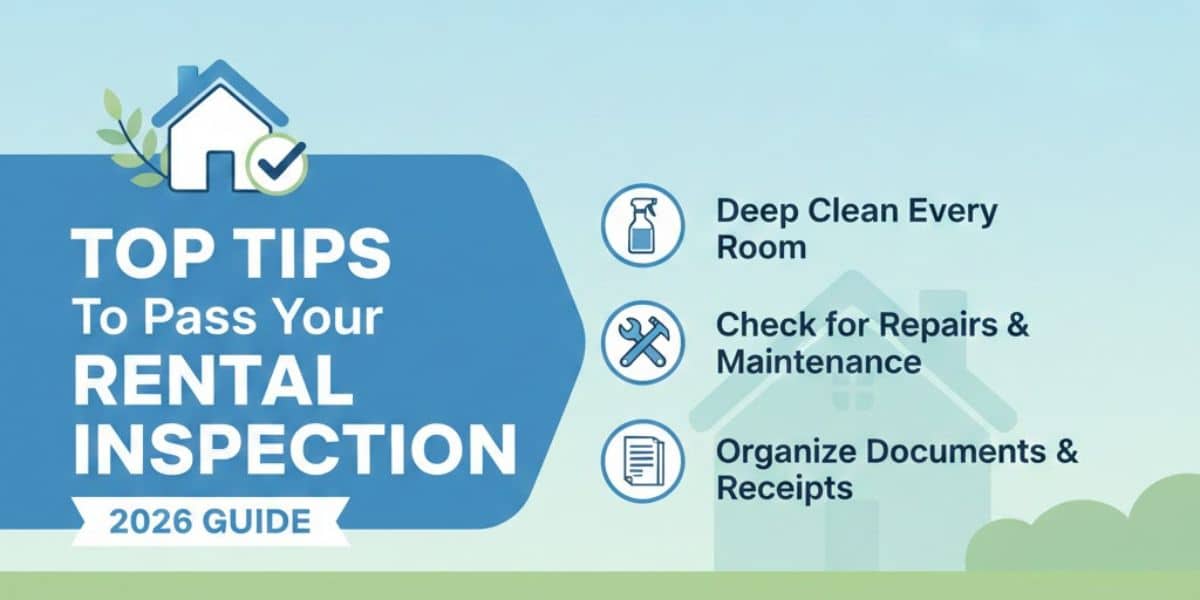
Top Tips to Pass Your Rental Inspection
Start Preparing Early
You need to prepare beforehand for a successful inspection. Leaving everything until the day of inspection can lead you to missed details and unnecessary stress. It is a perfect time to begin one or two weeks in advance.
Make a to-do list for all the tasks that needs to be done. This will help you break tasks into manageable steps. Begin with areas that will take longer time such as deep cleaning the kitchen or checking some minor repairs. Starting early also provides you with time to address maintenance issues that are not under your responsibility. This will indicate that you are proactive and interactive.
Focus on Cleanliness First
Cleanliness is one of the most important aspects of any rental inspection. Your property should look clean no matter if it has some minor wear and tear. A clean home leaves a positive impression.
Key Areas Landlords Notice Most
| Kitchen | The kitchen is an area of focus as you need to put attention to minute details. Clean the stovetop along with oven and rangehood and rinse thoroughly. Wipe the cupboards and remove the grease and make sure there is no smell of the food prepared. |
| Bathroom | Bathrooms should be clean and hygienic. Scrub the toilet, tiles, and the bathtub. Clean the mirrors and make sure the drains are clear. A clean bathroom gives a good impression. |
| Living Areas and Bedrooms | Use vacuum to clean carpets and mop hard floors. Clean dusting surfaces and windows and wipe skirting boards. Check for any cobwebs and clean door handles and light switches. |
Cleaning Tips
Deep cleaning is more effective than surface cleaning. Use appropriate products for different surfaces and don’t forget often-overlooked areas like behind appliances. If time is limited, professional cleaners can be a worthwhile investment.
You can also go through our blog on How to Prepare Your Property For Final Inspection.
Take Care of Minor Repairs and Maintenance
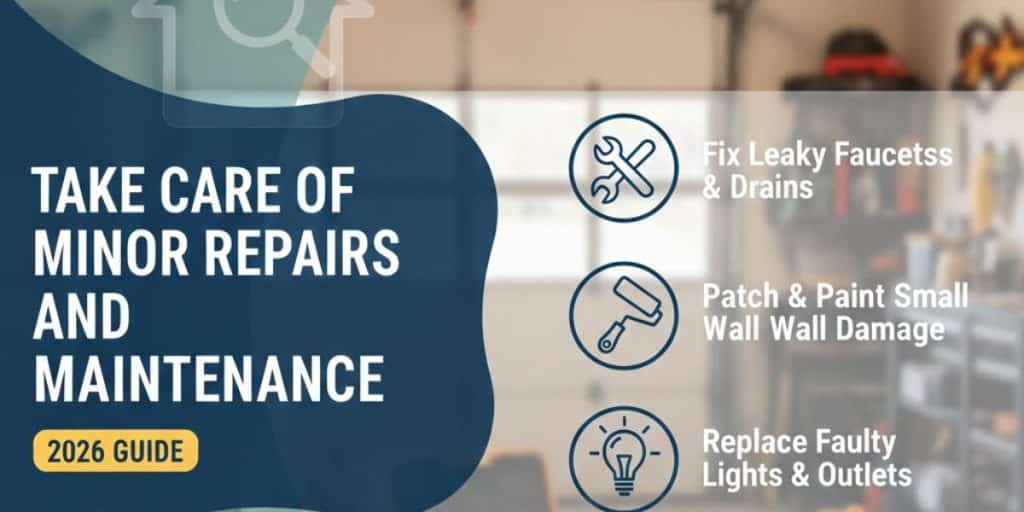
Small, fixable issues can stand out during an inspection. Replace blown light bulbs, tighten loose door handles, fix cupboard hinges, and ensure doors and windows open properly.
If there are maintenance problems beyond your responsibility such as plumbing leaks or electrical faults, report them to the landlord or property manager before the inspection. This shows that you’re attentive and not neglecting issues.
Unreported problems may be mistaken for tenant-caused damage, so communication is essential.
Declutter and Organize Your Space
While landlords cannot comment on your personal belongings, clutter can make a property appear poorly maintained. A tidy, organized home creates a better overall impression and makes it easier to see that the property itself is in good condition.
Put away excess items, organize storage areas, and clear benchtops. Ensure balconies, garages, and storage rooms are not overflowing. Decluttering doesn’t mean removing personality, it simply means showing the space is manageable and cared for.
Pay Attention to Walls, Floors, and Fixtures
Walls and floors are common inspection checkpoints. Remove scuff marks where possible using gentle cleaning methods. Avoid repainting or making alterations unless you have written permission.
Vacuum carpets thoroughly and treat stains if allowed. Clean curtains, blinds, and light fittings, as dust buildup can be noticeable. Make sure fixtures such as taps, towel rails, and showerheads are secure and clean.
Avoid attempting DIY fixes that could cause further damage; when in doubt, ask the property manager.
Don’t Forget Outdoor Areas
If your rental includes outdoor spaces, they are just as important as indoor areas. Mow lawns, trim edges, remove weeds, and clear fallen leaves. Garden beds should be tidy, and plants should not be overgrown.
Balconies and patios should be swept, and outdoor furniture should be in reasonable condition. Remove rubbish, cobwebs, and clutter from these areas. For apartments, check your lease to confirm which outdoor areas fall under your responsibility.
Manage Pets and Pet-Related Issues
If you have pets, ensure pet-related mess is addressed before the inspection. Vacuum pet hair, clean litter areas, remove odors, and treat any stains.
Repair minor pet damage if possible and ensure compliance with your lease’s pet clauses. Demonstrating responsible pet ownership can make a significant difference in inspection outcomes.
Prepare for Inspection Day
On the day of the inspection, ensure all rooms are accessible, including storage areas and outdoor spaces. While you’re not always required to be present, being available can help address questions on the spot.
Open curtains and windows to allow natural light and fresh air. A well-lit, ventilated home appears cleaner and more welcoming. If you’ve reported maintenance issues, be ready to point them out or reference prior communication.
What Happens After the Inspection?
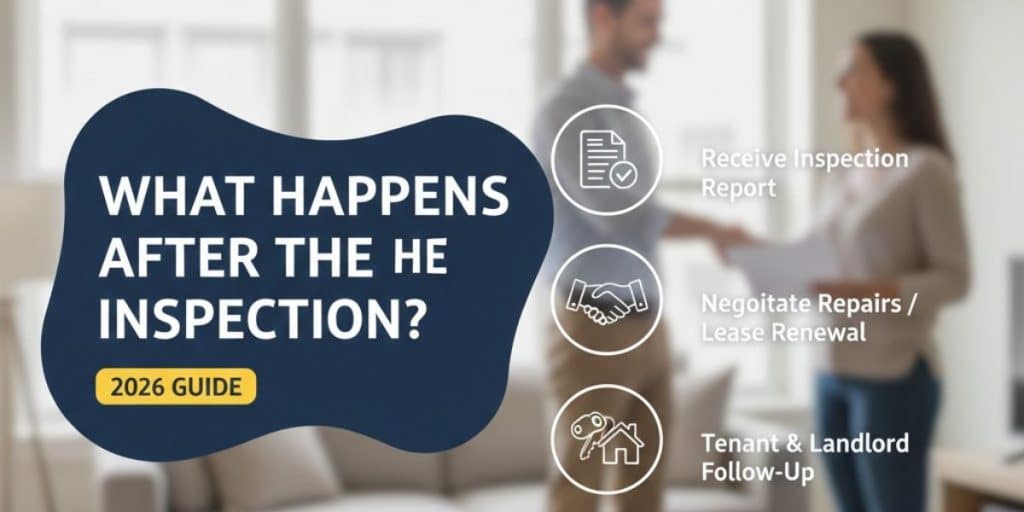
After the inspection, the landlord or property manager may provide a report outlining their findings. Review it carefully and address any concerns promptly. If follow-up cleaning or minor fixes are requested, completing them quickly shows responsibility and cooperation.
Inspection results can influence lease renewals and future references, so maintaining a positive inspection history is valuable for long-term renting success.
Conclusion
Passing a rental inspection doesn’t require perfection; it requires care, preparation, and communication. By understanding the purpose of inspections, keeping your home clean and well-maintained, and addressing issues early, you can approach inspections with confidence instead of stress. Take Professional home cleaning assistance from Best Bond Cleaning.
Treat inspections as a routine part of renting rather than something to fear. With the right preparation and mindset, you’ll not only pass your rental inspection but also build a positive relationship with your landlord or property manager.
Frequently Asked Questions About Rental Inspection
What do landlords look for during a rental inspection?
Landlords primarily look at the overall condition of the property rather than how you live day to day. They check cleanliness, signs of damage beyond normal wear and tear, and whether the property has been reasonably maintained. They may also look for unreported maintenance issues, safety hazards, and compliance with lease terms such as pet or garden conditions.
Do I need to be home during a rental inspection?
In most cases, tenants are not required to be present during a routine inspection as long as proper notice has been given. However, being available can be helpful if the landlord or property manager has questions or needs access to specific areas. Always check your local rental laws and lease agreement for exact requirements.
How clean does my rental need to be for an inspection?
Your rental should be reasonably clean and hygienic. Landlords do not expect hotel-level cleanliness, but visible dirt, grime, mold, or strong odors may raise concerns. Kitchens, bathrooms, floors, and high-touch surfaces should be cleaned thoroughly to show the property is being well cared for.
Can I fail a rental inspection?
You typically cannot “fail” a routine rental inspection in the same way as an exam. If issues are found, landlords usually provide feedback and allow time for you to address them. Serious or repeated issues, however, may lead to follow-up inspections or formal notices, depending on local regulations.
What is considered normal wear and tear?
Normal wear and tear refers to natural deterioration that occurs through everyday use, such as minor carpet flattening, small scuff marks on walls, or faded paint. Damage caused by neglect, misuse, or accidents like broken fixtures or large stains is not considered normal wear and tear.
Should I fix minor issues before the inspection?
Yes, addressing small, tenant-responsible issues before the inspection can make a positive impression. This includes replacing light bulbs, tightening loose screws, or cleaning marks on walls. For larger maintenance problems, notify the landlord instead of attempting repairs yourself.